










Should vending machine operators add new products or invest in new self-service equipment? Explore how to evaluate customer demand, location, product mix, and new opportunities such as phone case printing vending machines.
Add New Products or New Vending Machines? A Practical Guide
- Why Does a Vending Machine Business Need to Expand?
- Adding New Products: Make Better Use of the Existing Machine
- When Does Adding New Products Make Sense?
- What If Customers Need a New Type of Experience?
- New Products vs. New Equipment: What Is the Difference?
- 4 Factors to Consider Before Expanding a Vending Machine Business
- 1. Start With the Location
- 2. Look at What Customers Are Actually Asking For
- 3. Check How Much Room the Existing Machine Has
- 4. Consider the Operational Workload
- When Traditional SKUs Reach Their Limit, Consider Personalized Self-Service Equipment
- Why Can a Phone Case Printing Vending Machine Be a New Expansion Option?
- How Does a Self-Service Phone Case Printing Machine Work?
- Can a Phone Case Printing Machine Work Alongside an Existing Vending Machine?
- Existing Vending Machine
- New Self-Service Equipment
- One Location
- Different Locations Can Support Different Phone Case Designs
- Kemore Self-Service Equipment for Personalized Retail
- Dual-Screen Equipment: Separating Display From Operation
- A Simple Test Before Investing in New Equipment
- Simple Decision Checklist
- Vending Machine Expansion Does Not Always Mean Finding Another Location
- Conclusion: Start With Customer Demand, Then Choose the Equipment
After operating a vending machine for a while, many operators eventually face the same question:
What should come next?
Should you add more products to the existing machine, or introduce a completely new self-service machine?
At first, the two options may seem similar. In practice, they represent two different approaches to business expansion.
Adding new products means making better use of an existing machine and location. Adding new equipment means exploring a different product category, service, or customer experience.
So before comparing equipment prices or specifications, there is a more important question to answer:
Does this location need more products, or does it need a new type of consumer experience?

Why Does a Vending Machine Business Need to Expand?
When a vending machine is first launched, the main questions are usually straightforward:
Where should it be placed? What should it sell? Will people actually use it?
After operating for some time, the picture becomes clearer.
Some products sell consistently. Others may stay in stock for too long. Operators also start to understand traffic patterns, peak hours, customer preferences, and the limitations of the current machine.
At this stage, expansion does not necessarily mean installing another identical vending machine.
There are usually two directions:
|
Expansion Option |
Main Purpose |
Typical Approach |
|
Add new products |
Offer more choices |
Add or replace SKUs |
|
Add new equipment |
Address new demand |
Introduce another self-service product or service |
The important question is not simply how many products are available.
It is whether customer demand is still within the scope of the existing machine.
Adding New Products: Make Better Use of the Existing Machine
If the existing vending machine is performing steadily and customers continue to purchase the same category of products, adding new products can be a straightforward way to test growth.
For example, a beverage vending machine may introduce seasonal drinks or different package sizes. A snack machine may add new flavors, price points, or product types.
The biggest advantage is simple:
The customer's purchasing habits do not need to change.
They still approach the same machine, choose a product, pay, and collect it.
When Does Adding New Products Make Sense?
|
Current Situation |
Add New Products? |
|
The machine still has available capacity |
✓ |
|
Demand for the existing category remains stable |
✓ |
|
Customers want more choices |
✓ |
|
New products are closely related to current products |
✓ |
|
The machine is already near capacity |
△ |
|
Customers are looking for a completely different product |
△ |
However, adding more SKUs does not automatically mean higher sales.
More products also mean more inventory management, replenishment, and product selection decisions.
A useful question to ask before expanding the product range is:
Do customers really want more choices, or are they looking for something completely different?
That distinction can determine the next step.
What If Customers Need a New Type of Experience?
Imagine that the existing vending machine is already fairly mature.
The major product categories are covered, the available space is limited, and adding another few SKUs is unlikely to make a major difference.
At this point, the problem may no longer be a lack of products.
Customers may be looking for:
-
Personalized products
-
On-demand services
-
In-store production
-
DIY experiences
-
More interactive purchases
This is where adding new equipment becomes worth considering.
A traditional vending machine generally follows this model:
Product is ready → Customer buys it → Customer takes it away
Some newer self-service machines work differently:
Customer chooses → Customer participates → Machine produces → Customer takes the finished product
The difference is not simply the equipment itself.
It is the type of consumption experience.
New Products vs. New Equipment: What Is the Difference?
The two approaches can be compared more clearly side by side.
|
Factor |
Add New Products |
Add New Equipment |
|
Main change |
Product range |
Product + equipment + experience |
|
Existing location |
Usually unchanged |
Can remain the same or expand |
|
Product range |
Related products |
Potentially a new category |
|
Customer process |
Mostly unchanged |
May involve a new process |
|
Initial preparation |
Relatively simple |
Requires more planning |
|
Operational changes |
Limited |
More significant |
|
Innovation potential |
Limited by existing equipment |
Generally more flexible |
|
Best suited for |
Expanding an existing category |
Exploring new demand |
There is no universal answer.
Adding products is an extension of the existing business.
Adding equipment creates another business opportunity within or alongside the existing operation.
4 Factors to Consider Before Expanding a Vending Machine Business
1. Start With the Location
The same machine can perform very differently in different environments.
A shopping mall, tourist attraction, school, arcade, and office building all have different customer behaviors.
Consider these factors:
-
How much foot traffic does the location receive?
-
How long do people typically stay?
-
Who are the main customers?
-
Why are they visiting the location?
-
What similar products or services are already available?
For example, tourists may be more interested in personalized souvenirs, while mall visitors may be more receptive to customized or trend-focused products.
The location should influence the equipment strategy, not the other way around.
2. Look at What Customers Are Actually Asking For
Customer behavior is one of the most useful indicators when deciding how to expand.
|
Customer Behavior |
Possible Direction |
|
“Do you have another flavor?” |
Add new products |
|
“Are there more designs?” |
Expand the SKU range |
|
“Do you have something different?” |
Consider new equipment |
|
“Can I make this myself?” |
Personalized equipment |
|
“Can this be done here?” |
Self-service equipment |
|
“Can I create my own design?” |
DIY equipment |
These questions may seem minor individually, but together they can reveal an emerging demand.
Instead of starting with the question “What machine should I buy?”, start with:
“What are customers trying to find?”
3. Check How Much Room the Existing Machine Has
Sometimes the problem is not a lack of products.
The machine simply has limited capacity.
For example:
-
Too many SKUs are already in use
-
Inventory management is becoming complicated
-
Product size is restricted
-
Replenishment is becoming more frequent
-
Popular and slow-moving products compete for space
-
New products do not fit naturally with the current category
In this situation, adding more products may create additional complexity.
Another question becomes relevant:
Should a different machine handle a different type of demand?
That is one of the key differences between adding products and adding equipment.
4. Consider the Operational Workload
A new product and a new machine do not create the same operational requirements.
|
Operational Area |
Add Products |
Add Equipment |
|
Product selection |
Required |
Required |
|
Inventory |
More SKUs |
New product management |
|
Replenishment |
Usually a small change |
May require a new schedule |
|
Equipment maintenance |
Mostly unchanged |
Additional maintenance |
|
Staff training |
Limited |
May be required |
|
Consumables |
Existing system |
Potentially new consumables |
|
After-sales support |
Existing process |
New support requirements |
The purchase price is only one part of the calculation.
For long-term operation, consumables, maintenance, replenishment, software, training, and after-sales support also matter.
When Traditional SKUs Reach Their Limit, Consider Personalized Self-Service Equipment
If a traditional vending machine already covers most of the obvious products, the next opportunity may not be another SKU.
The thinking can shift from:
“What else can we sell?”
to:
“What else do customers want to create or experience?”
This is where personalized self-service equipment becomes interesting.
Examples include:
-
Phone case printing vending machines
-
DIY phone case printing machines
-
Badge printing machines
-
Self-service screen protector machines
-
Multifunction UV printing machines
These machines have one important difference from conventional vending machines:
Customers can participate in creating the final product.
Why Can a Phone Case Printing Vending Machine Be a New Expansion Option?
Phone cases are naturally suited to personalization.
Two people using the same phone model may want completely different designs.
Possible content includes:
-
Pet photos
-
Travel photos
-
Personal photos
-
Illustrations
-
Custom text
-
Event themes
-
Seasonal designs
The purchase is therefore not always simply:
“I need a phone case.”
It can become:
“I want to turn this photo into my own phone case.”
That is a different type of demand.
How Does a Self-Service Phone Case Printing Machine Work?
The process can be summarized as:
Select phone model
↓
Upload an image
↓
Adjust the design
↓
Make payment
↓
Print on site
↓
Collect the finished case
Unlike a convention al phone case vending machine, the customer is involved in part of the production process.
That creates a stronger connection between the customer, the design, and the finished product.

Can a Phone Case Printing Machine Work Alongside an Existing Vending Machine?
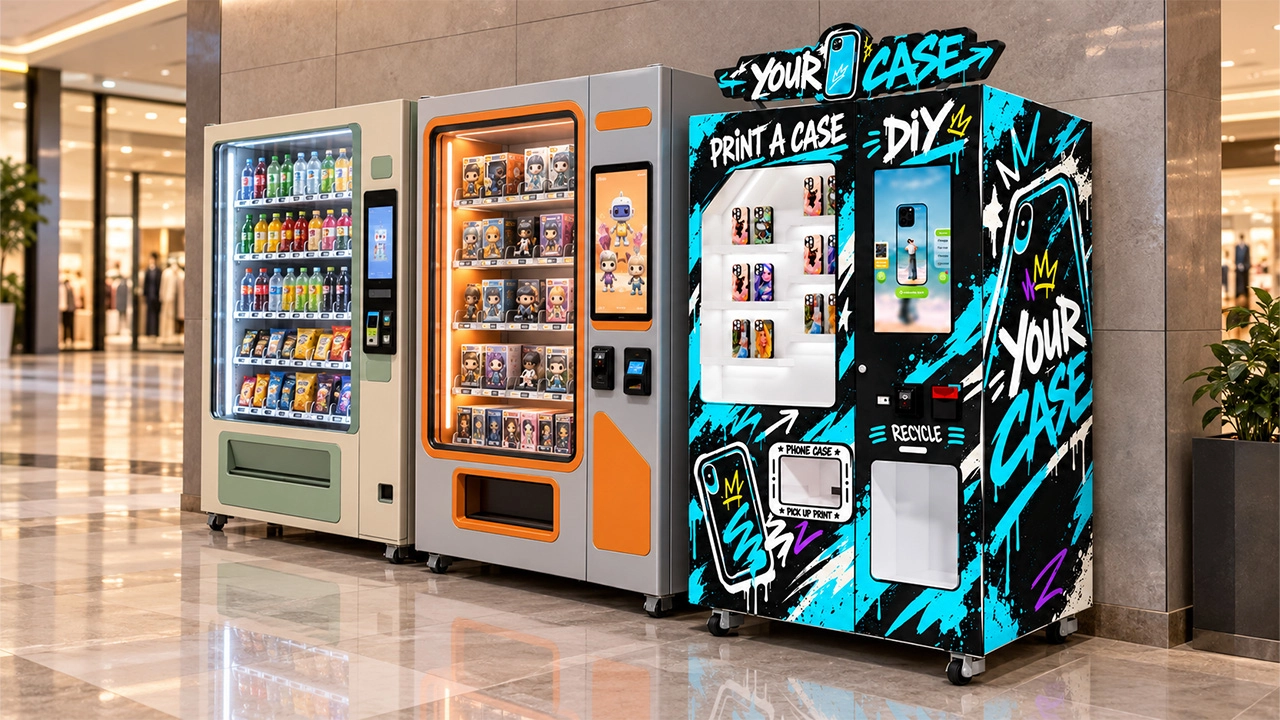
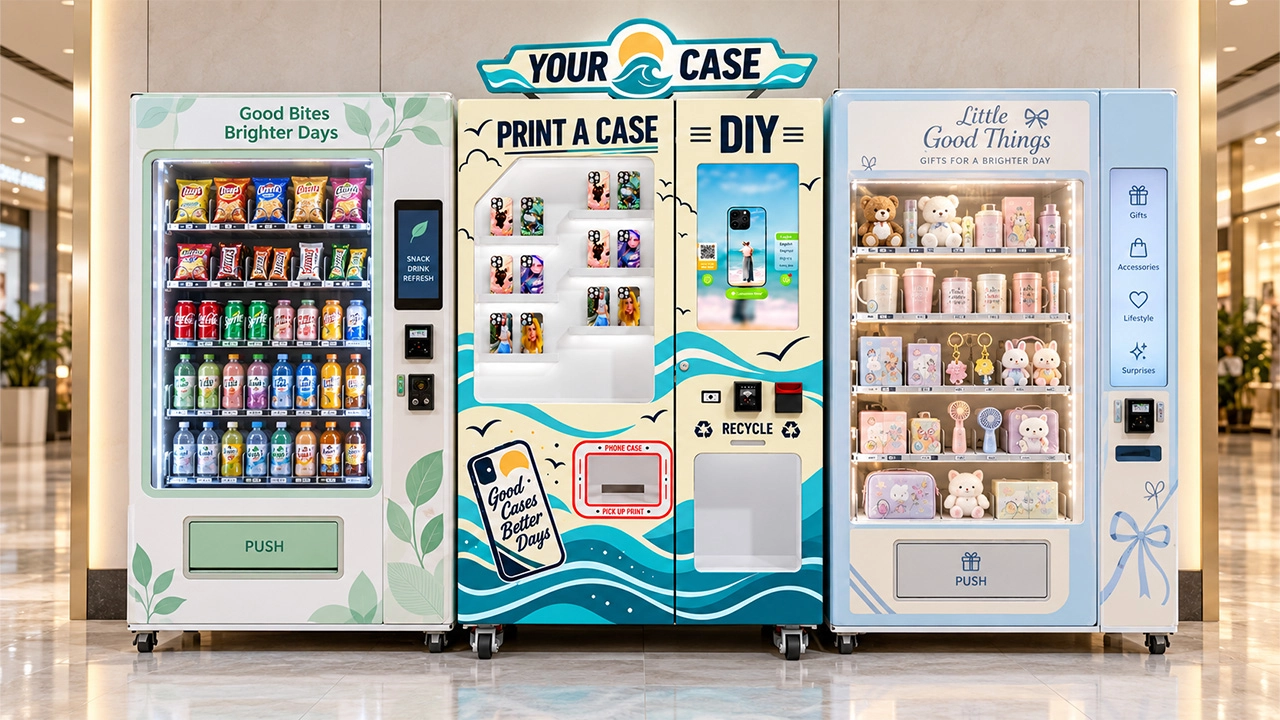
It can be considered as a complementary setup.
For example, an existing location may already have a vending machine selling beverages or snacks.
The setup could then become:
Existing Vending Machine
Beverages / Snacks / Daily-use Products
↓
New Self-Service Equipment
DIY Phone Cases / Personalized Printing
↓
One Location
Two different consumption needs
The purpose is not simply to place more machines in the same space.
The goal is to create another reason for customers to interact with the location.
One machine can serve quick-purchase needs, while another can serve personalization and entertainment needs.
Different Locations Can Support Different Phone Case Designs
One advantage of personalized printing is that the product content can change according to the location.
|
Location |
Potential Product Content |
|
Shopping mall |
Trend designs, personal photos |
|
Tourist attraction |
Travel photos, local themes |
|
Amusement venue |
Cartoon and themed designs |
|
Arcade |
Gaming themes |
|
Commercial street |
Custom graphics and text |
|
Campus |
Clubs, interests, personalized designs |
For example, a visitor at a tourist attraction may take a photo and immediately turn it into a customized phone case.
At an arcade, designs can focus on gaming themes and events.
This means the machine does not necessarily need to sell exactly the same designs everywhere.
The location itself can become part of the product strategy.
Kemore Self-Service Equipment for Personalized Retail
Kemore offers several types of self-service equipment, including phone case printing vending machines, DIY phone case printing machines, phone case vending machines, and dual-screen phone case printing vending machines.
Customers can select a phone model, upload an image, adjust the design, make payment, and have the phone case printed on site.
The process can be summarized as:
Select → Design → Order → Produce → Collect
Kemore also provides self-service screen protector machines, badge printing equipment, and multifunction UV printing machines.
With different molds and product configurations, the multifunction UV printing machine can be used for products such as phone cases, mirrors, fridge magnets, puzzles, badges, and commemorative coins.
For operators, the value of this type of equipment is not simply having another machine.
It creates another product strategy:
Keep the equipment relatively stable while adapting the product content to different locations and customer groups.
Dual-Screen Equipment: Separating Display From Operation
For shopping malls, commercial complexes, and entertainment venues, visibility can be just as important as the purchasing process.
A dual-screen phone case printing vending machine separates these two functions.
|
Screen |
Main Function |
|
Large screen |
Product display, advertising, visual content |
|
Small screen |
Product selection, design, ordering |
The large screen attracts attention and communicates what the machine can do.
The smaller screen handles the actual customer interaction.
This makes the machine both a self-service terminal and a display point.
For locations where visual presentation matters, this configuration can provide another way to integrate self-service equipment into the environment.
A Simple Test Before Investing in New Equipment
Operators do not always need to make a large expansion decision immediately.
A small review of the existing location can provide useful direction.
Simple Decision Checklist
|
What You Observe |
Possible Next Step |
|
Existing products sell steadily but product choice is limited |
Add new products |
|
A new SKU performs well in testing |
Expand the SKU range |
|
Sales of existing products are slowing |
Review the product mix |
|
Customers ask for new types of products |
Consider new equipment |
|
Customers show interest in personalization |
Consider customized products |
|
Customers spend more time at the location |
Consider experience-based equipment |
|
Existing machine is near capacity |
Evaluate additional equipment |
This approach turns expansion from a guess into a more structured decision.
Vending Machine Expansion Does Not Always Mean Finding Another Location
When people talk about vending machine expansion, the first idea is often:
Find another location → install another machine.
That is certainly one approach.
But an existing location with stable foot traffic may already have room for another type of demand.
The better question can be:
Can this location support a second consumption experience?
For example:
-
A vending machine handles quick purchases
-
A phone case printing machine handles personalization
-
A self-service screen protector machine handles an immediate service
-
A multifunction UV printer supports customized products
These machines do not necessarily compete with one another.
In some locations, a complementary equipment mix may be more useful than simply adding more SKUs to one machine.
Conclusion: Start With Customer Demand, Then Choose the Equipment
For a vending machine business that has reached a relatively stable stage, adding new products and adding new equipment are two different expansion strategies.
If customers simply want more choices, adjusting the SKU mix may be enough.
If customer demand is moving toward personalization, instant service, or interactive experiences, a new type of self-service equipment may be worth exploring.
A phone case printing vending machine is one example.
It combines:
Personalized Design + Self-Service Operation + On-Site Production
For shopping malls, tourist attractions, arcades, commercial streets, and other consumer locations, the product content can also be adapted to the local environment.
Before deciding what to add next, ask three simple questions:
Who is using this location?
What are they still looking for?
Can the demand be solved by adding a few SKUs, or does it require a new type of equipment?
Once these questions are clear, deciding between new products and new equipment becomes much easier.
Recommended for you
What Is the Difference Between a Phone Case Printing Vending Machine and a Traditional Vending Machine?
Add New Products or New Vending Machines? A Practical Guide
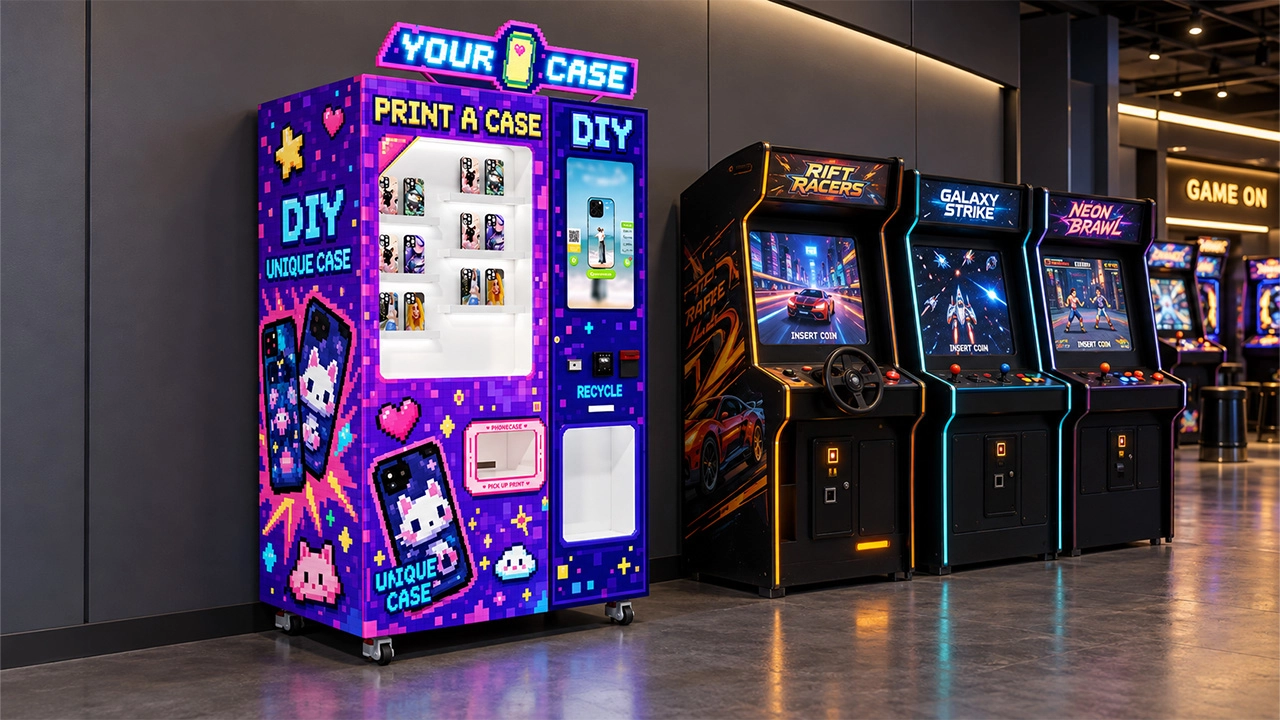
What Equipment Is Suitable for the Unmanned Retail Market? From Vending to Customization
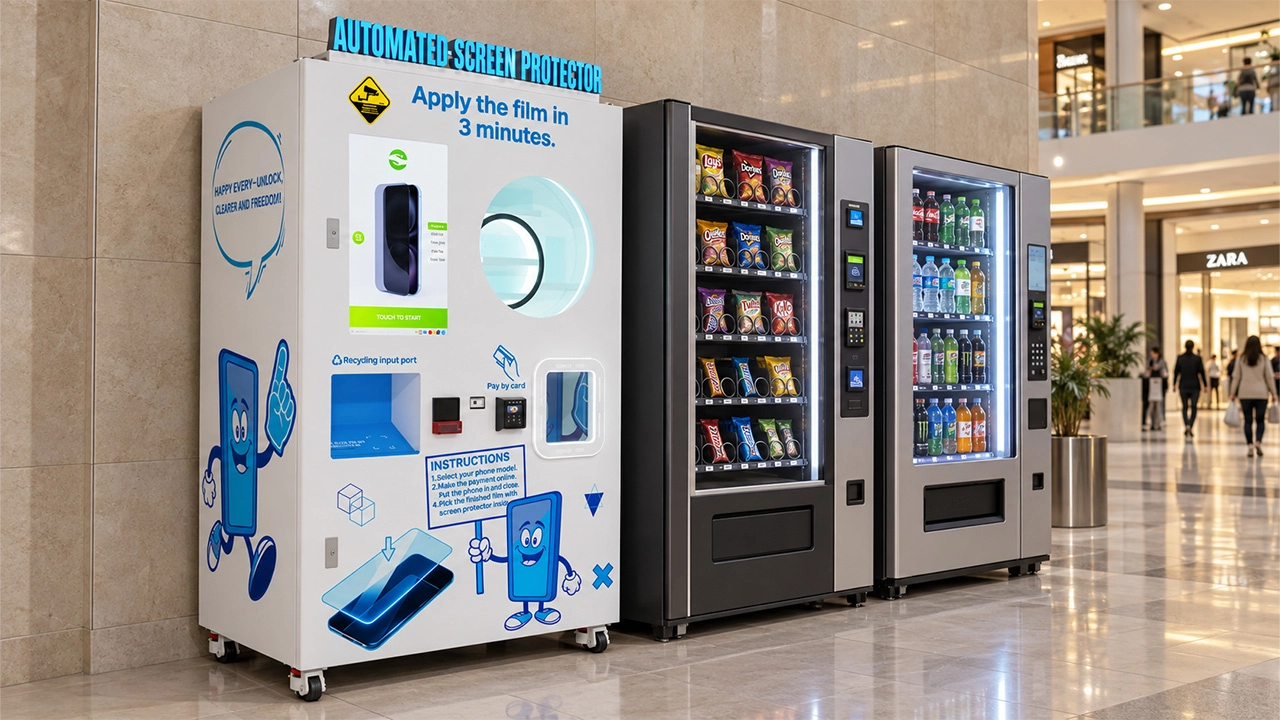
Why Is Unattended Retail Shifting from Selling Products to Selling Experiences?
Product Categories
You May Also Like
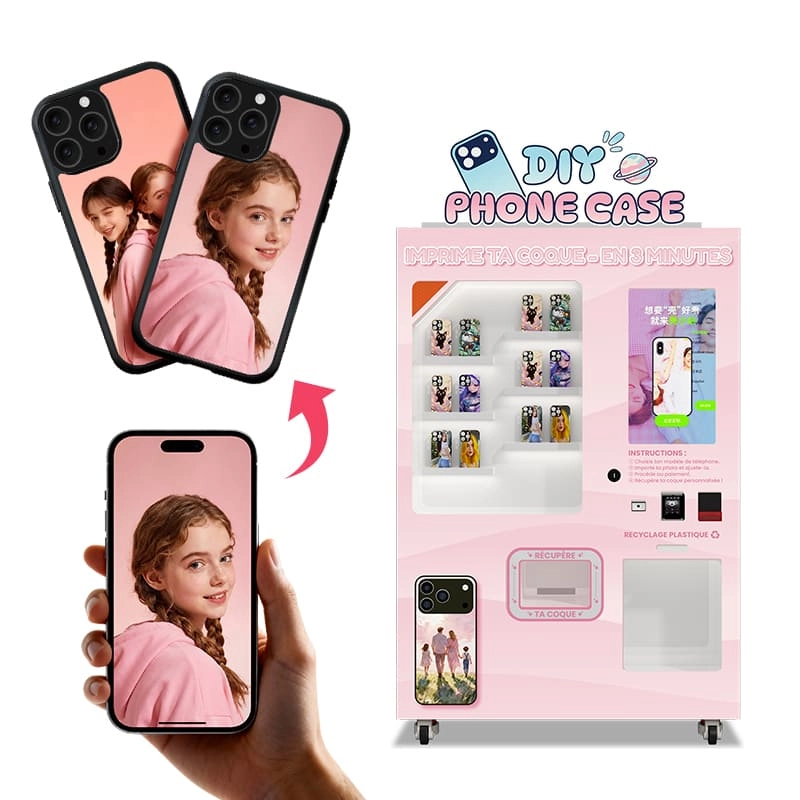
- Capitalize on the high-margin smart retail market with KeMore’s DIY phone case printing vending machine. This unmanned commercial UV printer kiosk provides an interactive self-service personalization experience, delivering custom protective covers in just 3 minutes. Equipped with an intelligent cloud backend for remote inventory monitoring and global payment integration, it’s a turnkey automated business solution for high-traffic malls, campuses, and transit hubs. Compatible with multi-model TPU+PC blanks, this on-demand printing station eliminates stock risks while maximizing ROI. Contact us for wholesale pricing and launch your passive income retail project today!
- •Smart APP Remote Management
- •3-Minute Fast Phone Case Printing
- •Self-Service Design & Payment
- •Automatic Printing and Dispensing
- •Multiple Phone Model Compatibility
- •24/7 After-Sales Support
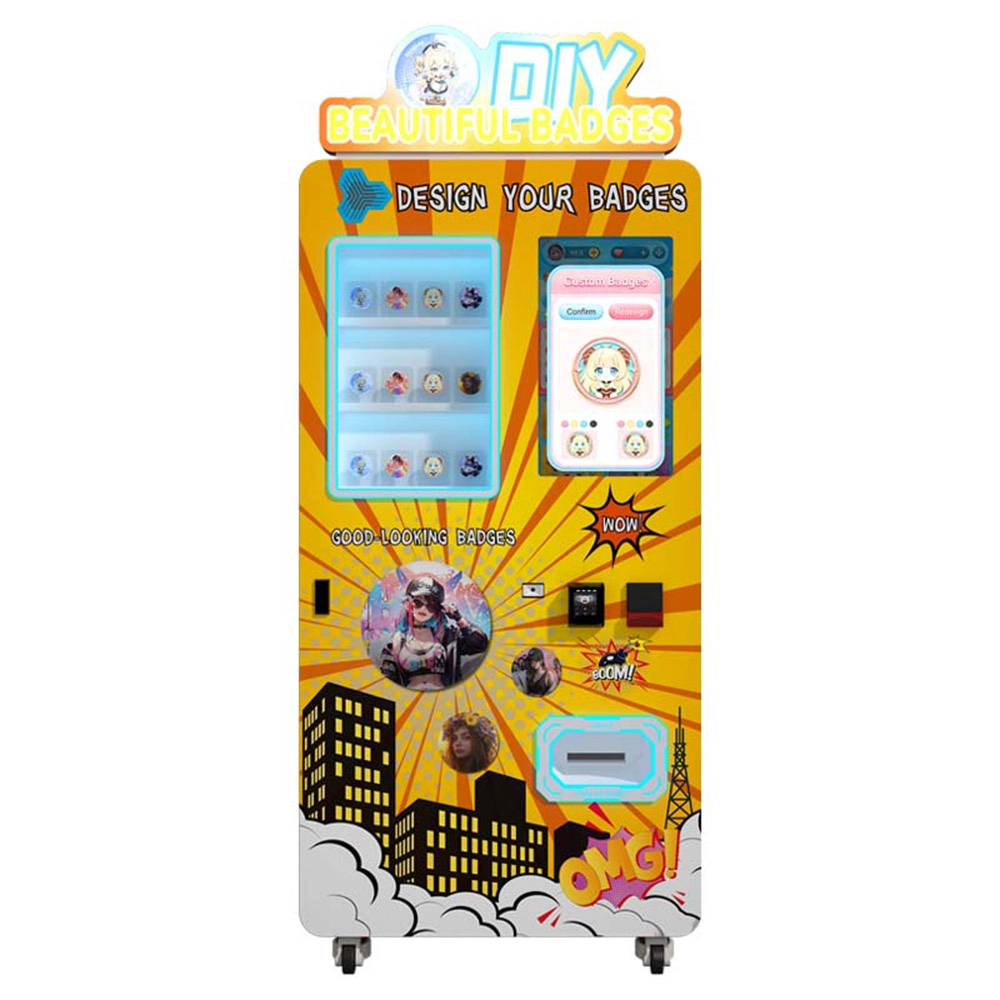
Maximize your ROI in the smart retail market with this innovative custom badge vending machine. Featuring an interactive 27-inch touchscreen, this unmanned DIY badge printing kiosk supports multi-country payments (QR/card) for global deployment in malls and campuses. Boost sales with self-service custom pinback badges and leverage the intelligent cloud backend for remote inventory management and real-time sales tracking. As a leading manufacturer, we provide complete vending machine appearance and UI interface customization services to perfectly fit your branding. Launch your automated, high-margin custom souvenir business with KeMore !
Supplier’s Customization Ability
⦁ Minor customization
⦁ Drawing-based customization
⦁ Sample-based customization
⦁ Full customization
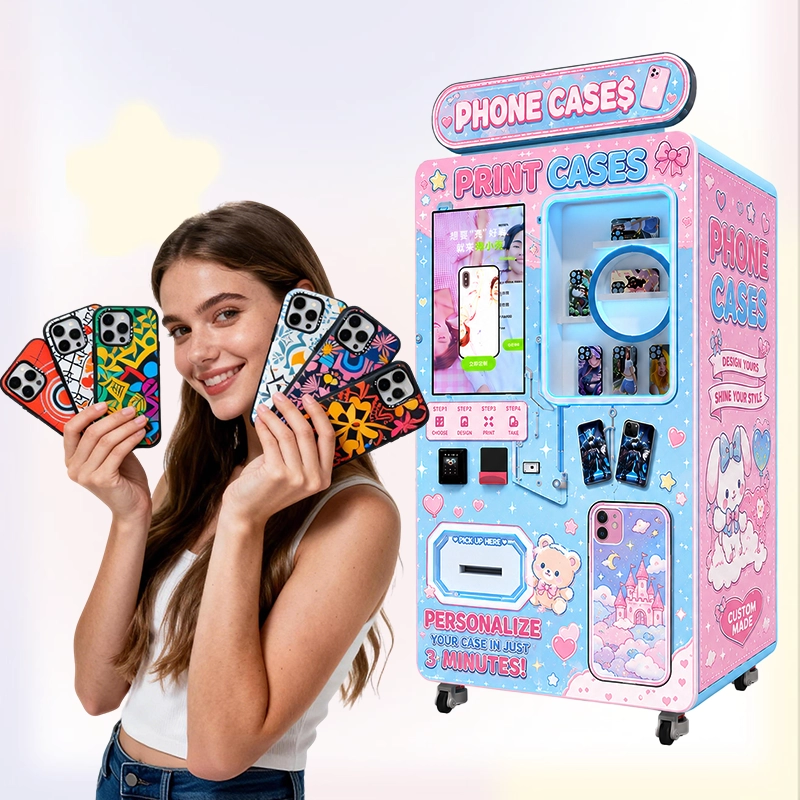
Revolutionize personalized retail using the KeMore Business UV Phone Case Vending Printer. This cutting-edge, self-service 3D cell phone case printing machine empowers customers to upload images and print custom covers in just 3 minutes. Designed for high-traffic environments like campuses and malls, it features a robust metal frame, an interactive 27-inch touchscreen, and an auto-clean function. Powered by an intelligent cloud backend with real-time remote monitoring and flexible multi-payment integration, this turnkey automated business solution maximizes operational efficiency with zero labor requirements.
Supplier’s Customization Ability
⦁ Minor customization
⦁ Drawing-based customization
⦁ Sample-based customization
⦁ Full customization
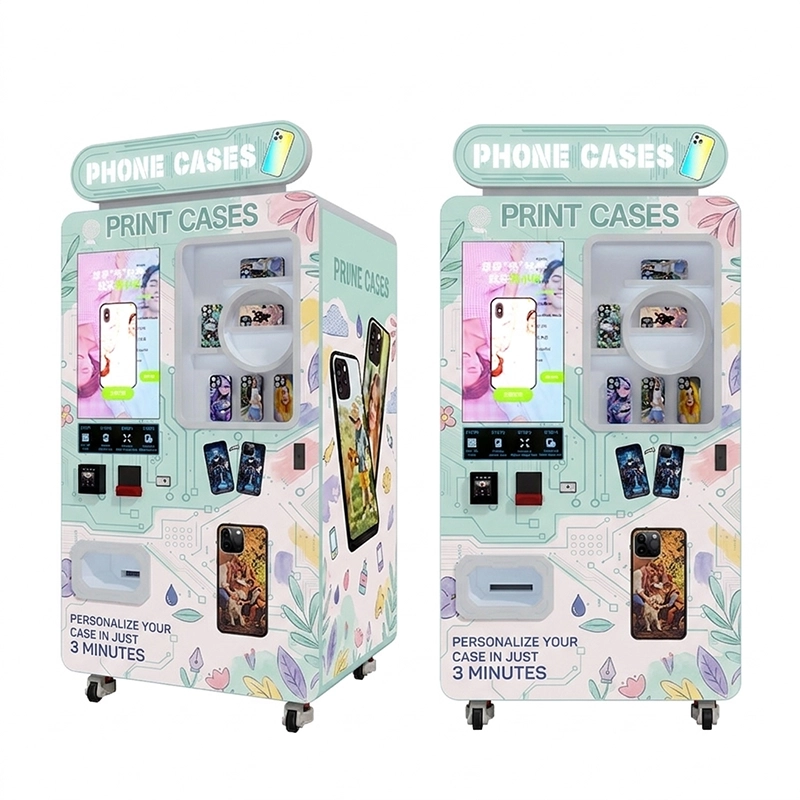
Revolutionize personalized retail using the KeMore Business UV Phone Case Vending Printer. This cutting-edge, self-service 3D cell phone case printing machine empowers customers to upload images and print custom covers in just 3 minutes. Designed for high-traffic environments like campuses and malls, it features a robust metal frame, an interactive 27-inch touchscreen, and an auto-clean function. Powered by an intelligent cloud backend with real-time remote monitoring and flexible multi-payment integration, this turnkey automated business solution maximizes operational efficiency with zero labor requirements.
Supplier’s Customization Ability
⦁ Minor customization
⦁ Drawing-based customization
⦁ Sample-based customization
⦁ Full customization
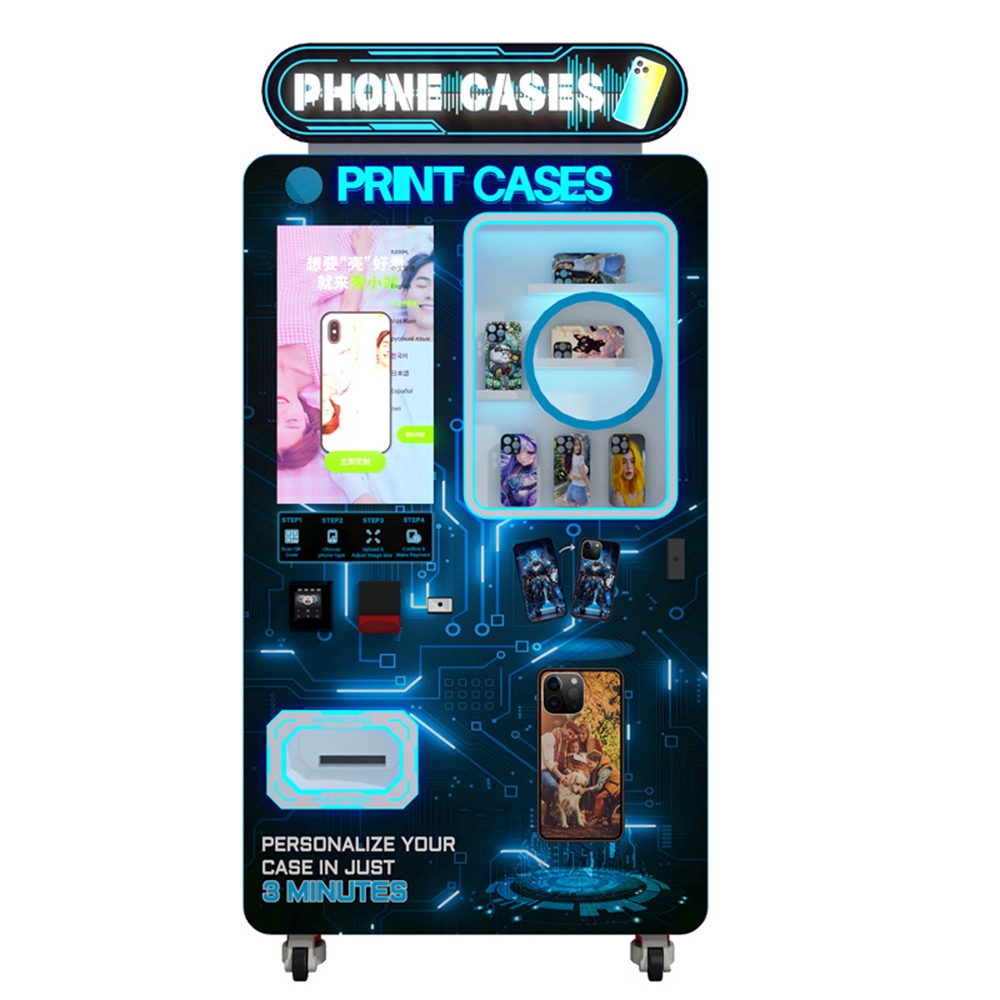
Revolutionize personalized retail using the KeMore Business UV Phone Case Vending Printer. This cutting-edge, self-service 3D cell phone case printing machine empowers customers to upload images and print custom covers in just 3 minutes. Designed for high-traffic environments like campuses and malls, it features a robust metal frame, an interactive 27-inch touchscreen, and an auto-clean function. Powered by an intelligent cloud backend with real-time remote monitoring and flexible multi-payment integration, this turnkey automated business solution maximizes operational efficiency with zero labor requirements.
Supplier’s Customization Ability
⦁ Minor customization
⦁ Drawing-based customization
⦁ Sample-based customization
⦁ Full customization
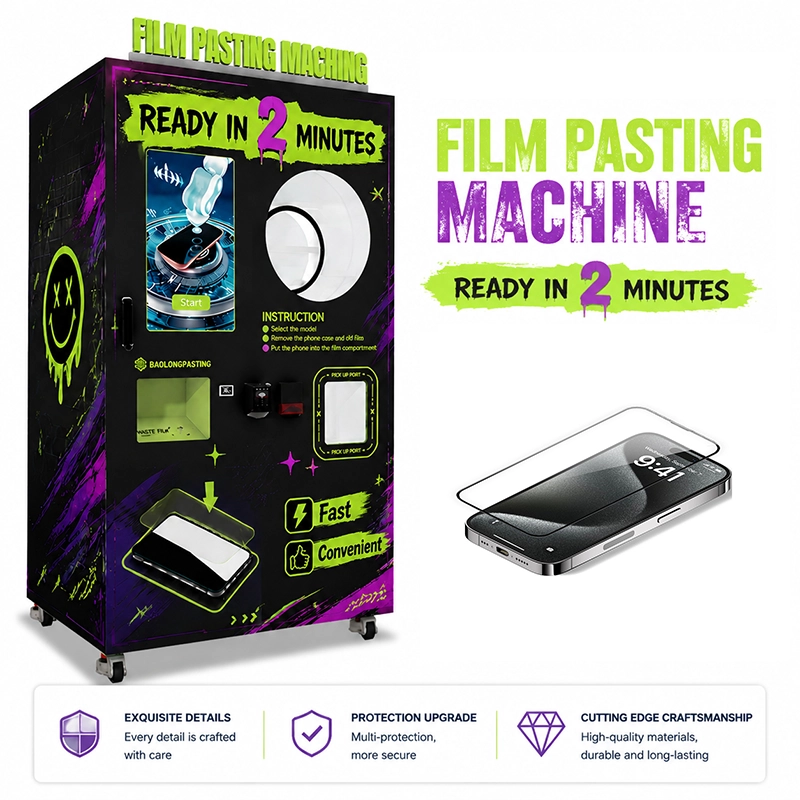
Maximize your retail revenue with the KeMore Automatic Screen Protector Vending Machine. This innovative smart retail kiosk delivers a seamless, unmanned cell phone service by combining precision on-demand film cutting with automated screen protector application and cleaning. Featuring an interactive 27-inch touchscreen, the machine perfectly aligns and applies protectors for various smartphone models in minutes. Equipped with global contactless payment integration and an intelligent cloud backend, operators can track remote inventory monitoring and real-time sales data effortlessly. It is a high-margin, turnkey automated business solution perfect for high-traffic malls, airports, and campuses
Supplier’s Customization Ability
⦁ Minor customization
⦁ Drawing-based customization
⦁ Sample-based customization
⦁ Full customization
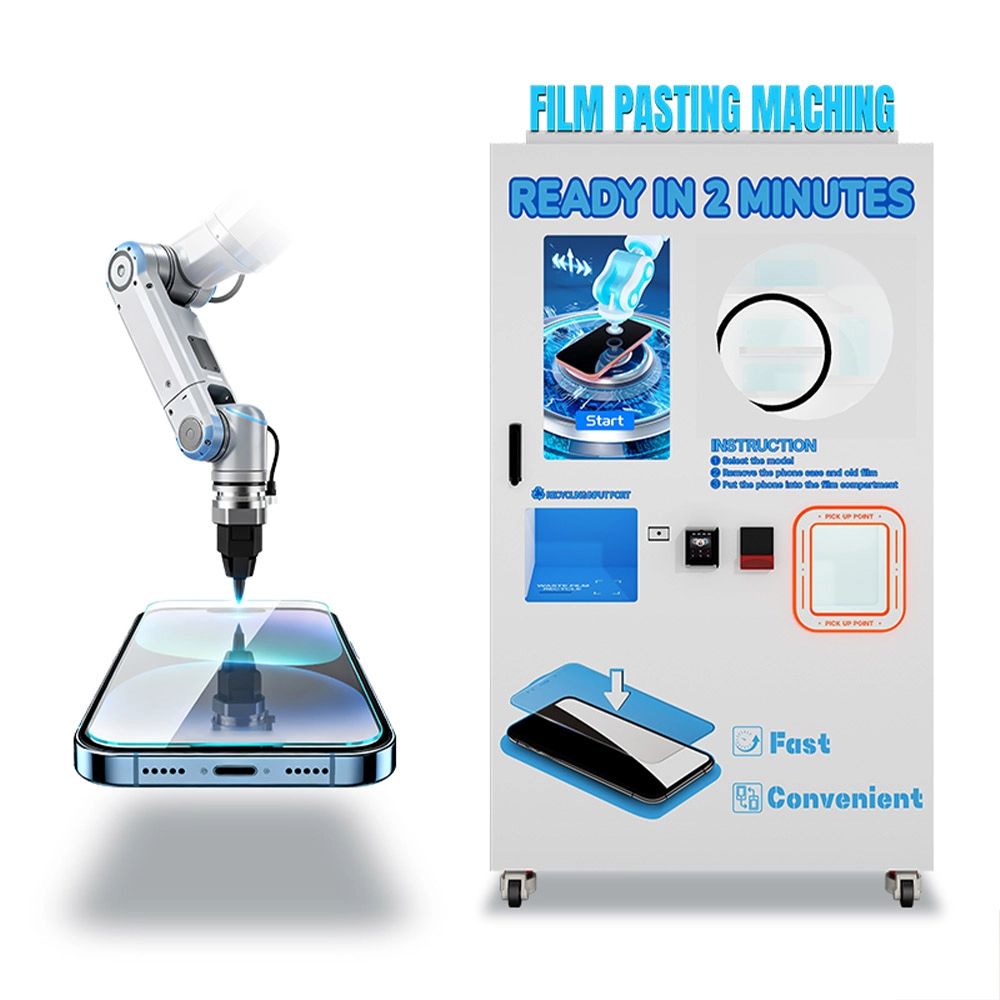
Maximize your retail revenue with the KeMore Automatic Screen Protector Vending Machine. This innovative smart retail kiosk delivers a seamless, unmanned cell phone service by combining precision on-demand film cutting with automated screen protector application and cleaning. Featuring an interactive 27-inch touchscreen, the machine perfectly aligns and applies protectors for various smartphone models in minutes. Equipped with global contactless payment integration and an intelligent cloud backend, operators can track remote inventory monitoring and real-time sales data effortlessly. It is a high-margin, turnkey automated business solution perfect for high-traffic malls, airports, and campuses
Supplier’s Customization Ability
⦁ Minor customization
⦁ Drawing-based customization
⦁ Sample-based customization
⦁ Full customization
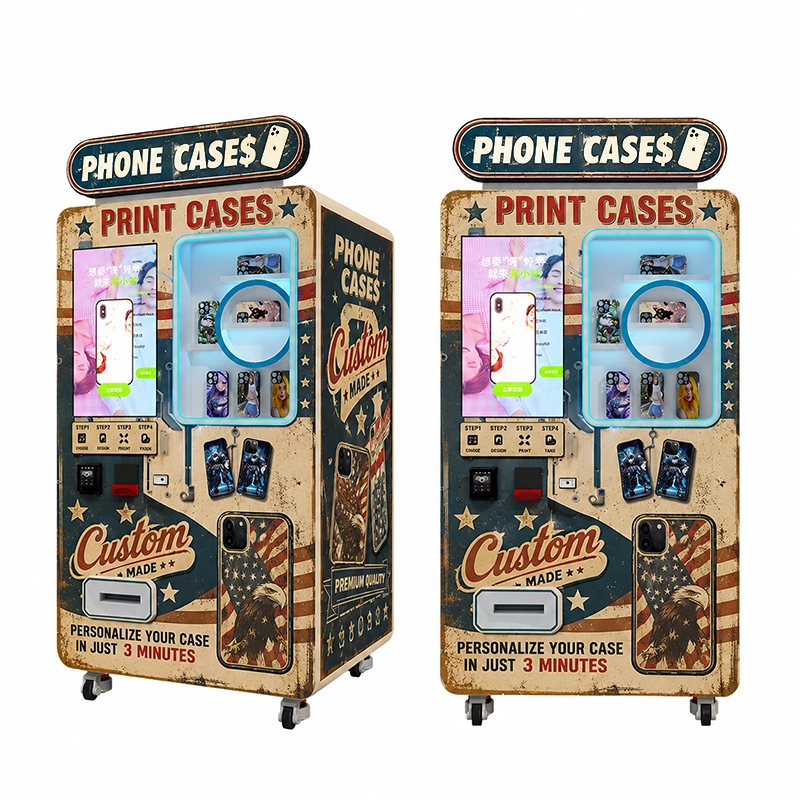
Revolutionize personalized retail using the KeMore Business UV Phone Case Vending Printer. This cutting-edge, self-service 3D cell phone case printing machine empowers customers to upload images and print custom covers in just 3 minutes. Designed for high-traffic environments like campuses and malls, it features a robust metal frame, an interactive 27-inch touchscreen, and an auto-clean function. Powered by an intelligent cloud backend with real-time remote monitoring and flexible multi-payment integration, this turnkey automated business solution maximizes operational efficiency with zero labor requirements.
Supplier’s Customization Ability
⦁ Minor customization
⦁ Drawing-based customization
⦁ Sample-based customization
⦁ Full customization
Let's Talk Business.
Get in Touch with us
If you have any comments or good suggestions, please leave us a message, later our professional staff will contact you as soon as possible.

Guangzhou Kexiaozhan Technology Co., Ltd.
we respond within a few hours
Monday–Friday, 9AM–6PM
+86 189 2573 7135
 No. 28 Xinhuan Village Road, Xinshuikeng Village, Dalong Street, Panyu District, Guangzhou City
Quick Links
Facebook
Instagram
LinkedIn
YouTube
Tik Tok